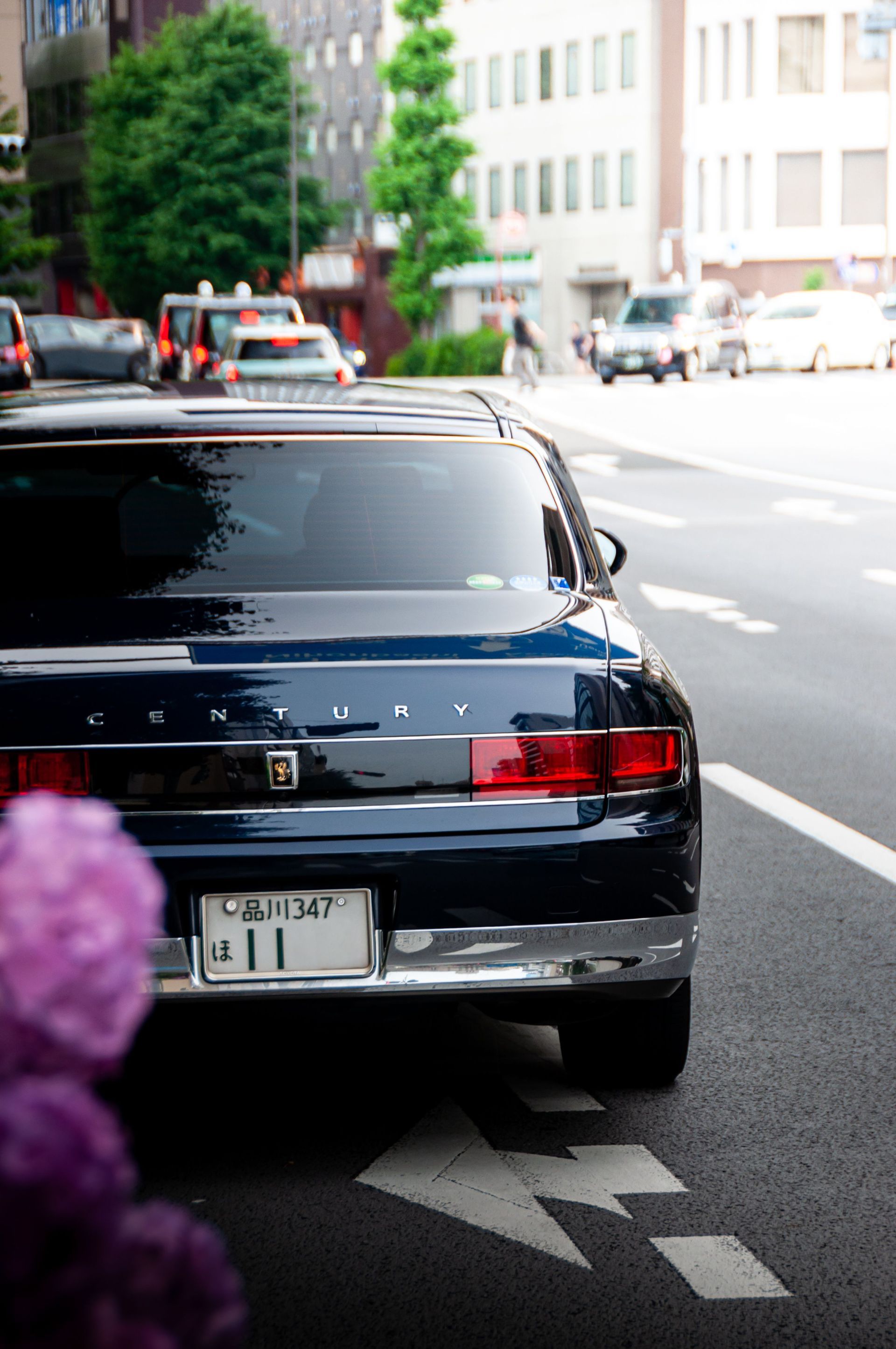
October EWR Traffic Outlook and Delays
Travelers watching the EWR traffic outlook in Newark, NJ usually have the same goal: get to the terminal without turning the ride into an unplanned sightseeing tour of brake lights. October can bring heavier mixed travel patterns—business trips, weekend getaways, and early holiday planning—which makes arrival timing and pickup coordination more sensitive than in quieter months. If you’re booking a car service, rideshare, or asking a friend for a lift, small planning choices (pickup window, terminal coordination, luggage time) can be the difference between a smooth curb drop-off and a stressful sprint.
If you want a simple plan for airport transfers, start with the basics on car & limo services and then tailor your timing using the steps below.
Bottom Line Upfront for October Airport Runs
- Plan for variability: October traffic patterns can shift quickly, so build a buffer instead of aiming for “just-in-time.”
- Terminal and airline details matter: A correct terminal plan reduces last-minute lane changes and curbside confusion.
- Pickup windows beat exact pickup times: A short window gives flexibility if baggage claim or curb access slows down.
- Coordinate luggage and curb strategy: Knowing where you’ll wait and when you’ll be ready reduces idle time and missed connections.
- Use real-time tools the day of travel: Check navigation and airport status close to departure—conditions can change fast.
What’s Driving the October EWR Traffic Outlook
Industry-wide, October often sits in a “highly mixed demand” zone: weekday business travel can stack up with weekend leisure trips, and that mix tends to create less predictable peaks on airport approach roads and terminal curbs. Add in normal airport dynamics—arrivals clustering, construction detours (when present), and weather-related slowdowns—and you get conditions where a trip that’s usually straightforward can suddenly take longer.
For ground transportation, this matters because airport access is not just highway time. The last stretch—terminal approach, departures level, arrivals pickup areas, and short curb dwell times—can be the bottleneck. A smart plan focuses on the “final mile” as much as the main drive.
How Delays Ripple Into Pickup Times and Costs
Traffic and curb congestion can affect your trip in a few practical ways:
- Longer door-to-curb timelines: Even if your route looks clear, terminal approach queues can add meaningful minutes.
- Higher stress at the curb: Tight pickup timing can push rushed decisions—wrong door, wrong level, wrong lane.
- More waiting risk: If your flight arrives in a busy wave, baggage claim and pickup coordination can take longer than expected.
- Missed schedule dominoes: A late airport arrival can cascade into missed meetings, dinner reservations, or train connections.
Costs vary by provider and trip structure. Some services price by trip, others include waiting rules, and rideshare pricing can fluctuate with demand. The safest move is to confirm terms before travel and avoid assumptions about how delays are handled.
Checklist: Mistakes That Make Airport Traffic Worse
- Choosing a pickup time with no buffer: Airport access is variable; a small cushion reduces panic and risky driving.
- Not confirming terminal/airline details: Being dropped at the wrong terminal can cost time and create extra walking or transfers.
- Assuming curb pickup will be instant: Curb access can be constrained; have a clear meeting plan.
- Waiting to share flight info: If your driver or service doesn’t have your flight details, coordination becomes guesswork.
- Overpacking your curb plan: Multiple bags, multiple travelers, and no staging plan often equals curbside chaos.
- Relying on one route: If you don’t allow navigation to adapt, you can get stuck in avoidable slowdowns.
A Practical Plan for Smoother Terminal Drop-Offs and Pickups
- Set a target “arrive at terminal” time: Plan for being at the curb earlier than you think you need, not exactly on time.
- Confirm your terminal and departure level: Double-check airline/terminal info before you leave.
- Share flight details and passenger count: Provide flight number, landing time, and luggage expectations so the pickup plan fits reality.
- Use a pickup window: For arrivals, use a window that accounts for taxi-in, deplaning, and baggage claim.
- Decide on a meeting point before landing: Pick a clear, simple spot you can reach without backtracking.
- Check live navigation close to departure: Re-check routing shortly before you leave so you’re not committed to an outdated estimate.
Professional Insight: The “Final Mile” Is the Real Variable
In practice, we often see travelers plan carefully for the drive time and then lose time at the terminal approach and curb because the meeting plan is vague. A specific pickup window and a simple “where to stand, when to text/call” routine usually reduces confusion more than any single route choice.
When It’s Smart to Get Professional Transportation Help
- You have a tight connection or fixed appointment: If being late has real consequences, reduce uncertainty with a structured pickup plan.
- You’re traveling with a group or lots of luggage: More people and bags increase curb time and coordination needs.
- You’re arriving late evening or very early: Off-hour travel can create different constraints (staffing, curb flow, limited options).
- You need predictable, coordinated pickup: If you can’t afford “where are you?” messages at the curb, a planned process helps.
- You want less decision-making on travel day: If you’d rather not manage routing, curb rules, and timing, delegate it.
Common Questions About October Airport Traffic
How early should I plan to arrive before my flight?
Airlines and airports publish general guidance, but your best move is to work backward from your boarding needs and add a buffer for road traffic, terminal approach, and check-in or bag drop.
Do arrivals take longer to pick up than departures?
Often, yes. Arrivals can include taxi-in time, walking from the gate, baggage claim, and curb access—each step can add variability compared with a direct drop-off.
What information should I share with a driver for an airport pickup?
Share the flight number, airline, number of passengers, luggage amount, and your preferred contact method. That supports a clearer meeting plan if timing shifts.
Will traffic conditions change during the day?
They can. Commute patterns, flight banks, and incidents can all affect drive times, so checking live navigation close to departure is usually more reliable than guessing earlier.
What’s the simplest way to reduce curbside confusion?
Use a pickup window and agree on a specific meeting point before landing. Clear instructions beat last-minute improvising in a busy pickup zone.
Your Next Steps for a Less Stressful Airport Ride
The October EWR traffic outlook is less about one predictable rush hour and more about day-to-day variability—especially near the terminal. Build a buffer, confirm terminal details, and treat curb pickup as its own mini-plan. A little structure up front can save a lot of time and frustration on travel day.
Get in Touch
Fill out our quick form and we'll get back to you within 24 hours.
Get Newark Airport Car & Limo Services first on Google. Add us as a preferred source and Google will show more of our content in your Top Stories and AI results. Add Newark Airport Car & Limo Services as a preferred source on Google →