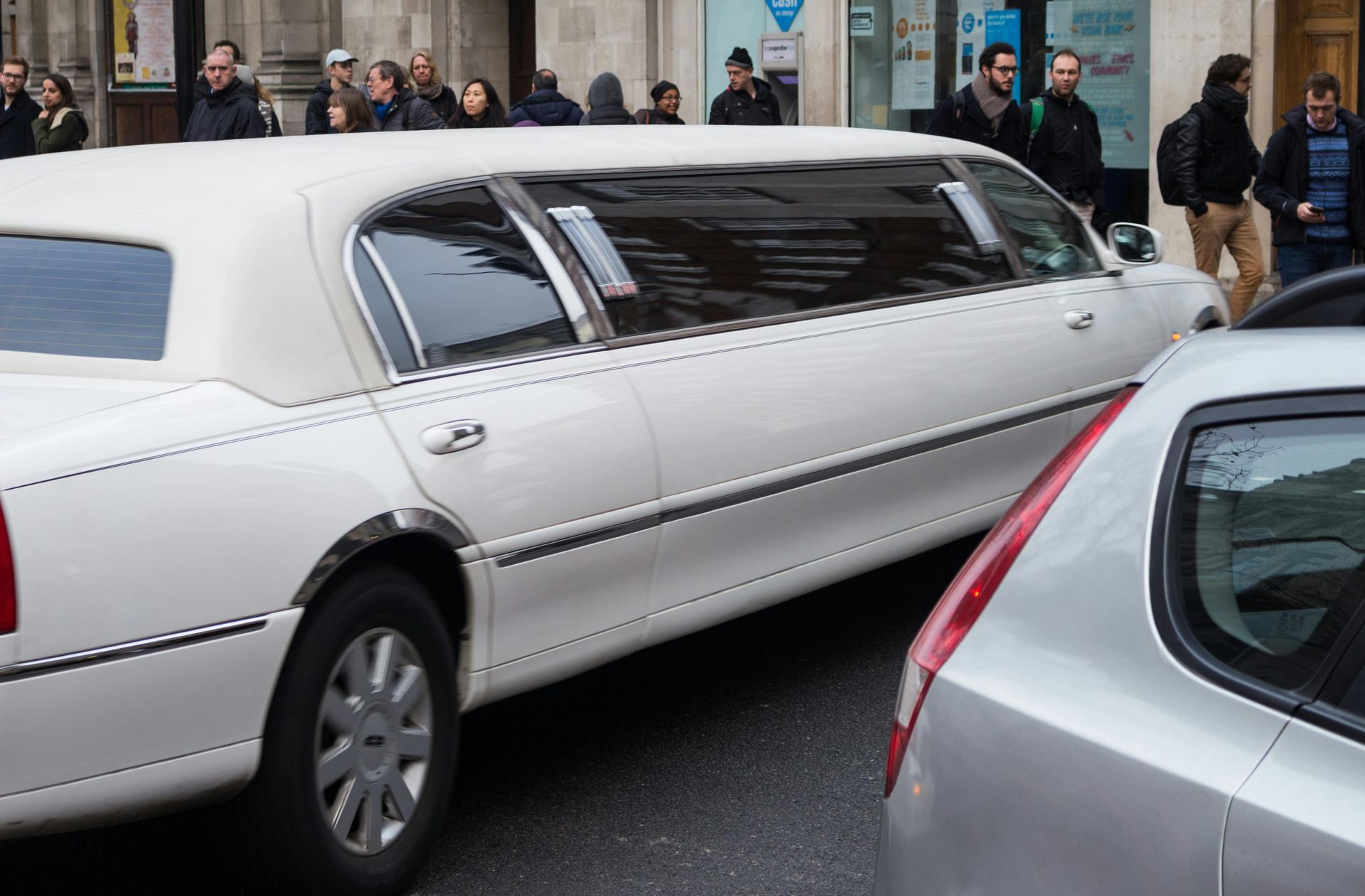
Limousine Service Case Study: Corporate Roadshow
Corporate roadshows squeeze a week’s worth of meetings into a day’s worth of time, and ground transportation is where schedules quietly go to die. This case study is for executive assistants, operations managers, and travelers who need predictable arrivals, clean handoffs, and minimal friction between stops. A well-planned limousine service setup can reduce missed connections, prevent “where is the driver?” moments, and keep the day moving even when the itinerary changes. With the start of a new academic season, many teams also find calendars filling fast, which makes tight scheduling and clear communication even more valuable, especially when arranging a limousine service in NYC.
Bottom Line Upfront: Roadshow Transport Essentials
- Build the plan around the itinerary, not the vehicle. Stops, buffers, and decision points come first.
- Assign one point of contact. A single coordinator reduces conflicting instructions and last-minute confusion.
- Use a “floating buffer.” Add time that can move between meetings instead of padding every leg equally.
- Standardize passenger handoffs. Clear pickup instructions for lobbies, loading zones, and alternates prevents delays.
- Prepare a change protocol. Decide in advance how reroutes, added stops, and extended meetings get approved.
How a Roadshow Limousine Service Plan Comes Together
Note: No client-specific roadshow details were provided for Newark Airport Car & Limo Services, so the “case study” below is an illustrative (hypothetical) example designed to show what a decision-grade plan can look like.
This example analysis follows a common roadshow pattern: multiple meetings across a dense urban corridor, with an executive and one support person moving between offices, a lunch stop, and a final transfer. A typical objective is simple: arrive calm, on time, and ready.
Illustrative case study snapshot:
- Date range: One weekday in early fall (single-day roadshow).
- Travel corridor: Newark area → Midtown Manhattan → Downtown Manhattan → return transfer (dense curb environments and variable traffic).
- Stops: 6 total movements (hotel/starting point, 3 meetings, lunch, final transfer).
- Constraints: Building security screening, limited curb access/loading zones, elevator time, and meeting lengths that can overrun.
- Mid-day change: A meeting runs 25 minutes long and a new “quick stop” is added for document pickup; the plan must absorb both without breaking the final arrival window.
Background/context: A company schedules back-to-back meetings with little room for error. The traveler’s day includes variable meeting lengths, security check-ins, and unpredictable curb access.
The challenge: Roadshows fail most often at the seams—unclear pickup points, last-minute itinerary edits, and mismatched expectations about wait time and stop changes. Add traffic variability and you get cascading delays.
The approach taken:
- Itinerary audit: Confirm each stop’s address format, entrance, and the most realistic pickup point (main lobby vs. side entrance vs. designated loading area).
- Buffer strategy: Create a single buffer block (for example, a flexible 20–40 minutes across the day) that can be spent where needed rather than “wasting” padding on every segment.
- Handoff script: Use consistent instructions: “Driver meets at X, if blocked then Y, if security delays then call Z.” Keep it short enough to read while walking.
- Change control: Define who can add stops, how they communicate it, and what details are required (stop name, address, desired arrival time, and whether waiting is needed).
- Passenger readiness cues: Set a simple rule like “wrap 5–10 minutes before pickup” to prevent the vehicle from waiting while the team is still collecting materials.
Sample run-of-show
Use a one-page run-of-show that includes primary + alternate pickup points and shows where the buffer lives. Times below are placeholders to demonstrate structure (adjust to your itinerary).
| Leg / Stop | Address / Entrance | Primary pickup point | Alternate pickup point | Target depart | Target arrive | Planned buffer | Notes (security/curb) |
|---|---|---|---|---|---|---|---|
| Stop 1: Start → Meeting A | Midtown office (main lobby) | Main lobby curb/loading zone | Side street entrance | 08:10 | 08:55 | +10 min (early-day) | Security check-in; elevator time |
| Stop 2: Meeting A → Meeting B | Midtown office (visitor entrance) | Visitor entrance curb | Garage/porte-cochère if available | 10:20 | 10:45 | +0 min (no padding) | Short curb window; confirm exact door |
| Stop 3: Meeting B → Lunch | Restaurant (front door) | Front door curb | Nearest legal loading zone | 12:05 | 12:25 | Floating buffer starts (+20 min) | Use buffer if Meeting B runs long |
| Stop 4: Lunch → Meeting C | Downtown office (security desk) | Main lobby drop-off | Alternate street entrance | 13:20 | 13:55 | +10 min (from floating buffer) | Allow time for screening |
| Stop 5: Meeting C → Added quick stop (if approved) | Document pickup | Designated loading area | Curb one block away | 15:10 | 15:25 | +0 to +10 min (only if needed) | Define “quick stop” duration cap |
| Stop 6: Final transfer | Airport / station / hotel | Departing terminal/entrance | Alternate terminal door | 16:10 | 17:10 | Use remaining buffer here | Protect the hard deadline |
Rules of thumb
- Per-stop “friction” time (security + elevators + curb): plan 8–15 minutes per office stop in dense areas; 5–10 minutes in simpler curb environments.
- Floating buffer sizing:
- 3–4 stops: 15–25 minutes total buffer.
- 5–6 stops: 25–45 minutes total buffer.
- 7+ stops: 45–75 minutes total buffer, or split into two buffer blocks (midday + late-day).
- Where to place buffer: keep most buffer after the first 1–2 meetings (once the day’s real pace is known) and before any hard deadline (airport/train/board meeting).
- Define “quick stop”: set a cap such as 5 minutes wheels-stopped (pickup/drop only). Anything longer becomes a scheduled stop with its own arrival/departure targets.
Change-control message template
Use one message that includes everything needed to act—no back-and-forth. Send from the single coordinator to the driver + traveler(s) (and anyone else who must know).
CHANGE REQUEST (Roadshow) — [DATE]
Approved by: [NAME]
Time sent: [HH:MM]

What changed:
- [Meeting ran long / Added stop / New pickup point / New arrival target]

New instructions (effective immediately):
1) Next pickup location (primary): [Exact entrance + cross street / lobby name]
   Alternate pickup: [Exact alternate]
2) Target pickup time: [HH:MM]
3) Next stop: [Name + full address]
   Target arrival: [HH:MM]
4) Waiting needed? [Yes/No] If yes, until: [HH:MM] or max wait: [X minutes]
5) Passenger contact: [Name + phone]

Reply with: “CONFIRMED” + updated ETA.
Results and outcomes: In a well-run roadshow plan, the day feels quieter: fewer calls, fewer curbside surprises, and fewer rushed transitions. The team spends less time coordinating logistics and more time preparing for meetings. This is especially relevant on a Newark to Manhattan corridor where curb access and timing can change quickly depending on the building and time of day.
Lessons learned: The itinerary is a living document. The best plans assume change and make change easy to execute without derailing the schedule.
How you can apply this: Treat transportation like a workflow: define inputs (stops, times, pickup points), define owners (who approves changes), and define fallbacks (alternate pickup locations).
The Real Cost of a Roadshow Running Late
- Compounding delays: A 10-minute slip early can turn into missed arrival windows later, especially with security and elevator time.
- Lost meeting value: Rushed arrivals reduce prep time and can cut into the agenda.
- Higher coordination load: More calls and texts means more opportunities for miscommunication.
- Decision fatigue: When every leg is a scramble, executives and coordinators spend mental energy on logistics instead of content.
Roadshow Mistakes That Create Preventable Delays
- Using the building’s mailing address as the pickup point — many offices have different lobby and vehicle access points.
- No alternate pickup plan — if curb space is blocked, everyone improvises (usually poorly).
- Over-padding every segment — it looks safe, but it can waste time and still fail when one meeting runs long.
- Too many decision-makers — multiple people texting changes leads to conflicting instructions.
- Unclear expectations about waiting and stops — if “quick stop” isn’t defined, it becomes a schedule leak.
- Not sharing a single itinerary version — outdated times cause missed connections and frustration.
A Smart Roadshow Prep Plan
- Send a one-page run-of-show with stop order, target pickup times, and pickup locations (plus alternates).
- Define the change protocol : who approves edits, how they’re communicated, and what details are required.
- Build a floating buffer that can be spent where the day actually needs it.
- Standardize pickup instructions for each stop: primary location, fallback location, and who calls whom.
- Confirm passenger count and luggage needs so vehicle selection and trunk space match the day.
- Set a “wrap” reminder before each pickup so the team isn’t packing up at departure time.
The Quiet Win Is Fewer Messages
A common pattern in roadshows is that the smoothest days generate fewer messages because the plan reduces decision points: clear pickup points, a single coordinator, and a simple fallback rule can eliminate most of the mid-day “Where are you?” texts.
When It’s Time to Bring in Professional Support
- Your itinerary has 4+ stops and meetings are back-to-back with limited buffer.
- Multiple travelers need coordinated pickups (different hotels/offices, different timing, same meeting).
- Stops have complex access (security, restricted curb zones, or unclear vehicle entry points).
- The schedule is likely to change and you need a defined process for reroutes and added stops.
- You need a consistent, executive-ready experience where the traveler can focus on the agenda, not logistics.
Your Questions, Answered
How far in advance should we share the itinerary?
Share it as soon as the stop list is stable, then update from a single “source of truth.” Even a draft helps identify unclear pickup points and unrealistic transitions.
What details matter most for each pickup?
Provide the exact entrance, a primary and alternate pickup location, the passenger name(s), and a contact number for day-of coordination.
How do we handle a meeting that runs long?
Use your change protocol: decide who approves time shifts, then update the next pickup time and location in one message so everyone acts on the same instruction.
Is it better to pad every leg or use one flexible buffer?
A flexible buffer is often easier to manage because you can spend it where the day actually slips, instead of accumulating unused time between stops.
What’s the simplest way to reduce day-of confusion?
Assign one coordinator and standardize pickup instructions (primary location + fallback). That combination reduces conflicting messages and last-second improvisation.
Where to Go from Here
Roadshows run best when transportation is treated like an operational plan, not an afterthought. Clear pickup points, a floating buffer, and a simple change protocol reduce delays and stress. If your itinerary is dense or likely to shift, getting a coordinated plan in place can make the day feel far more controlled.
Find out how we can help with a no-obligation quote.
Get Newark Airport Car & Limo Services first on Google. Add us as a preferred source and Google will show more of our content in your Top Stories and AI results. Add Newark Airport Car & Limo Services as a preferred source on Google →